Indian River-Vero Beach to Fort Pierce Aquatic Preserve
NEWS | RESOURCES | CALENDAR
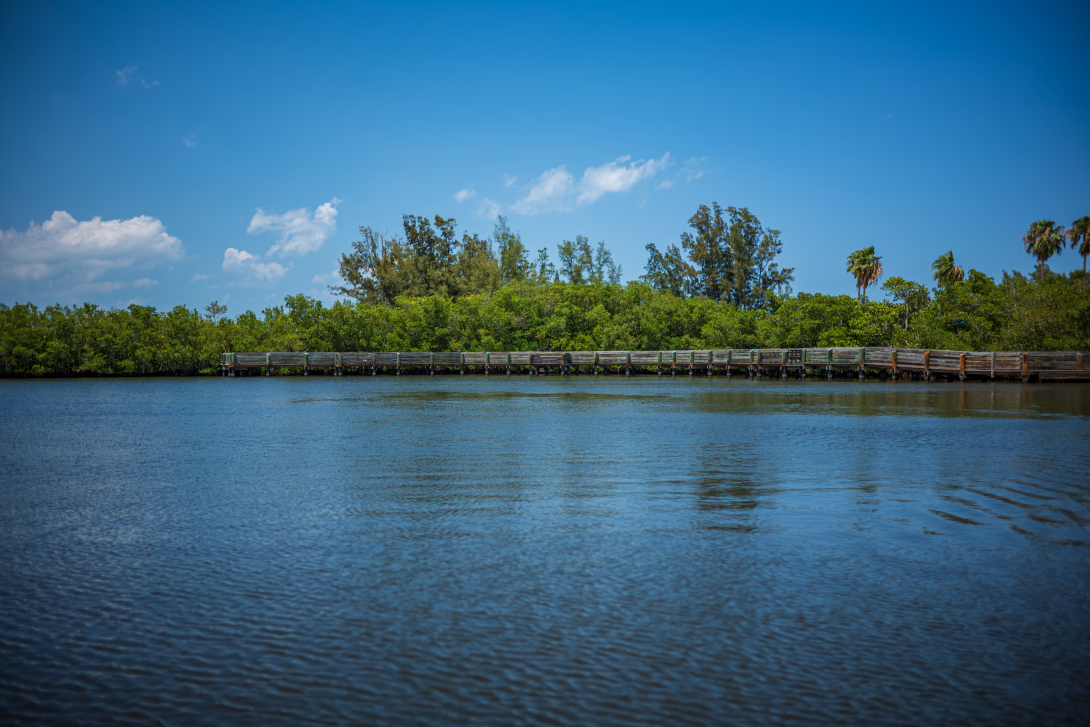
The Indian River-Vero Beach to Fort Pierce Aquatic Preserve is a part of the Indian River Lagoon, a long, wide, and shallow estuarine lagoon. The lagoon is characterized by a mix of freshwater from rivers and creeks and saltwater from the ocean, creating a unique and diverse ecosystem.
Indian River, St. Lucie
1969
11,000
Shallow estuary, barrier island, spoil islands
Open 24/7 dependent on public access points managed by other entities.
Fishing, boating, hiking, birding, beach activities, camping
VISITATION INFORMATION
Parking
The aquatic preserve offers no on-site parking, however, parking may be available through Fort Pierce Inlet State Park, located adjacent to the aquatic preserve.
Boat Access/Ramps
There is an extensive network of boat ramps and kayak launches.
- Round Island Boat Ramp
- Stan Blum Boat Ramp
- Ft. Pierce Inlet State Park Kayak Launch
- Florida Boat Ramp Finder
- Paddling Trails
- FL Coastal Access Guide
Facilities
The aquatic preserve offers no on-site facilities, however, restrooms, kayak launch & boat ramps may be available through Fort Pierce Inlet State Park, located adjacent to the aquatic preserve.
Contact
Matthew Anderson
772-448-5930
Matthew.R.Anderson@FloridaDEP.gov
HISTORY
Historical sites include architectural, military, social, transportation, commerce and conservation sites. Many of the historic shell mounds along the Indian River Lagoon system were destroyed for road fill for U.S. Highways 1 and A1A, and other highways and train beds.
PUBLIC ENGAGEMENT OPPORTUNITIES
Volunteer Opportunities
- Beach and spoil island cleanups
Events
Please contact the Indian River Lagoon Aquatic Preserves office for volunteer opportunities.
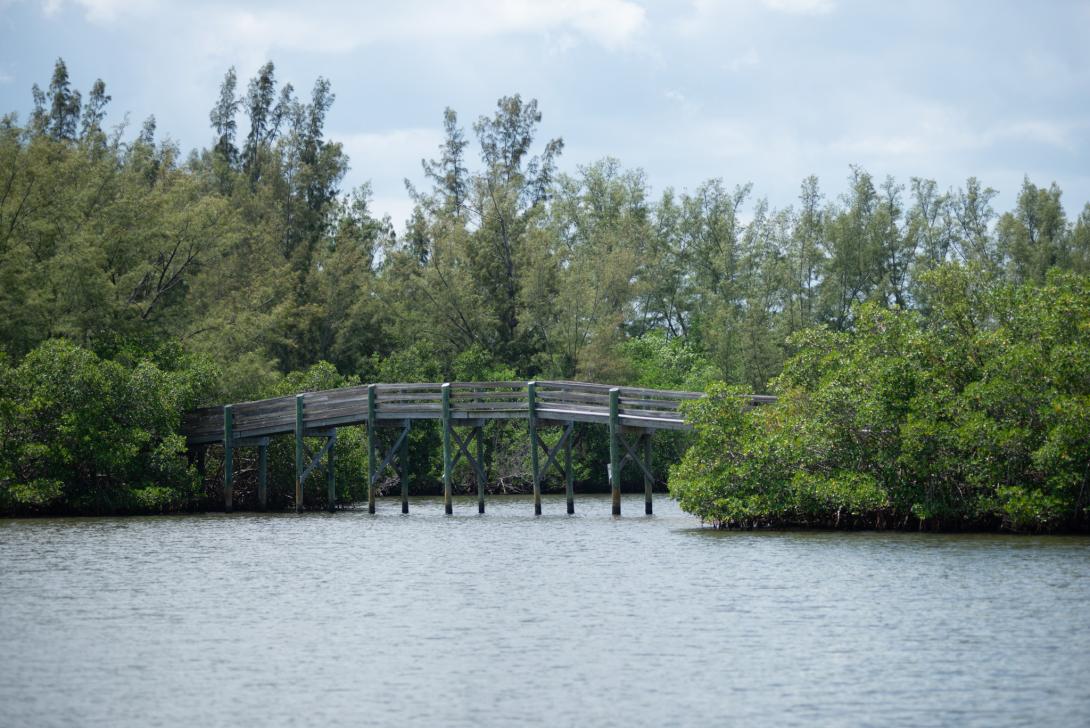
Educational Opportunities
Conservation Efforts
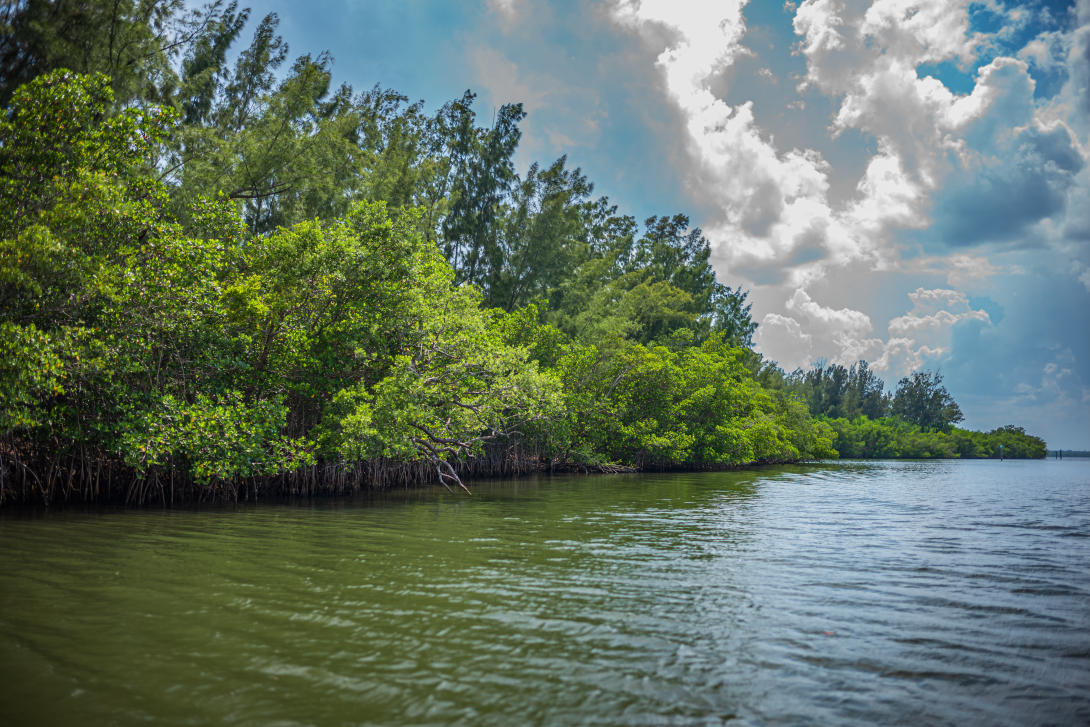
Conservation efforts include protecting bird nesting areas, planting mangroves, oyster reef restoration and seagrass surveys. All of these efforts are helping conserve listed species populations and threatened habitats.
Ongoing Research
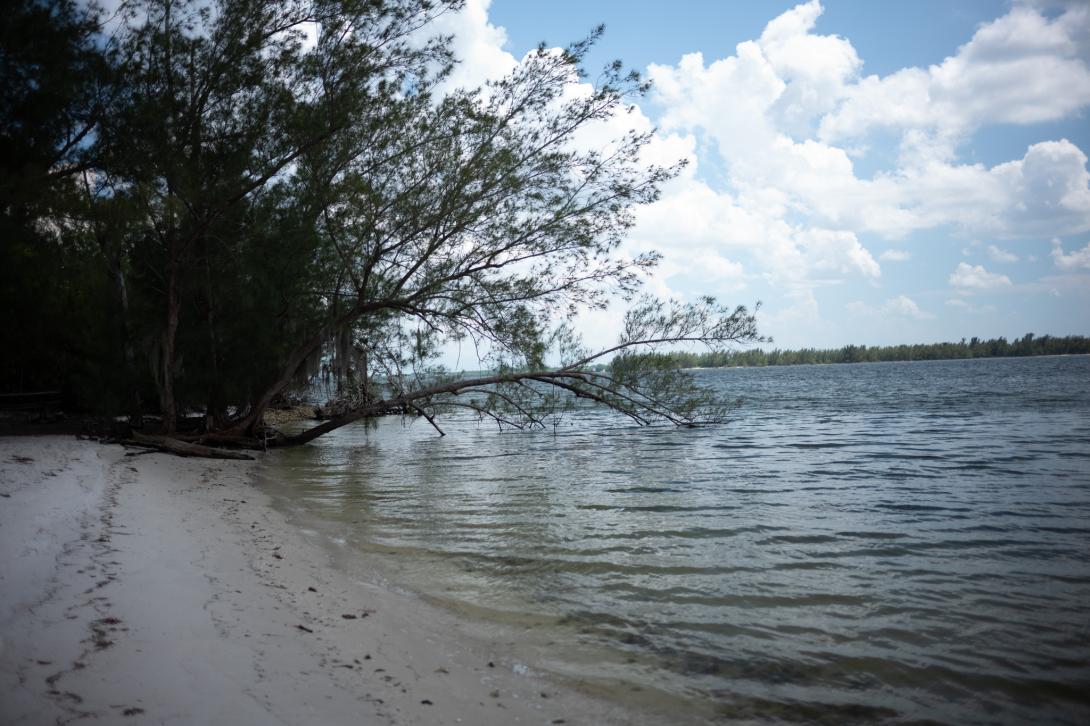
- Shorebird and seabird nesting research
- Oyster research
Indian River Lagoon Aquatic Preserve staff collaborated with Rollins College on a Coastal and Estuarine Science and Spirituality Class. The class was held at Canaveral National Seashore and The Mosquito Lagoon Aquatic Preserve. The class tied in both the aquatic ecosystem connections as well as the human spiritual experience attained by aquatic explorations.
During Indian River Lagoon's third annual participation in the Great Southeast Pollinator Census, aquatic preserve volunteers counted 761 pollinator visitations within 30 minutes at the demonstration native plant garden at the Titusville field office. Five volunteers watched 11 native plants for fifteen minutes each, counting every insect that landed on the native plant during that time.
Indian River Lagoon Aquatic Preserves recently had Matthew Treskovich complete his Eagle Scout Project on BC-48. Matthew and his troop installed two of the new table kits and two fire rings on one of the local spoil islands. They also cleared some trails and replaced the educational sign that was full of holes.